
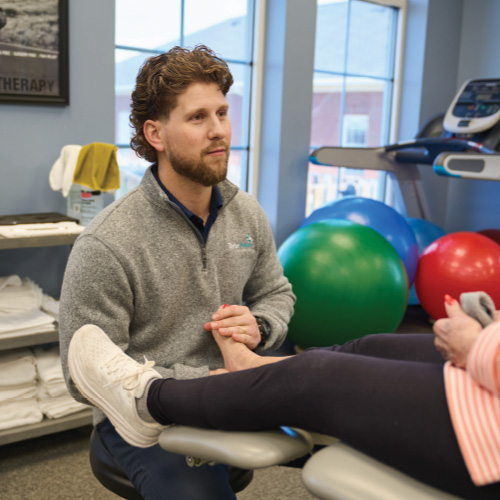
Take a Proactive Approach to Arthritis Pain with PT
Have you recently learned that your persistent joint pain is the result of arthritis? For many, this can be a challenging discovery, as the most common forms of arthritis have no known cures. But rest assured that you do not have to spend your life living with debilitating joint pain — physical therapy can help!
Arthritis refers to several conditions that cause joint inflammation, leading to its two primary symptoms: pain and mobility restriction. The most common form of arthritis, osteoarthritis, can cause pain during movement. It’s no surprise, then, that many people with arthritis wind up avoiding physical activity.
In reality, regular physical activity is one of the best ways to manage arthritis pain. Physical activity can also help delay the progression of arthritis — and help you avoid surgery.
As movement experts, the team at Taylor Rehab is well-equipped to help you manage your arthritis pain. The physical therapy approach to arthritis management focuses on drug-free pain relief and regular movement. Best of all, it allows you to take a proactive role in your treatment.
Let’s look at what happens when you exercise regularly with arthritis — and what happens when you don’t. And if you’d like to learn more, call us to schedule an appointment today!
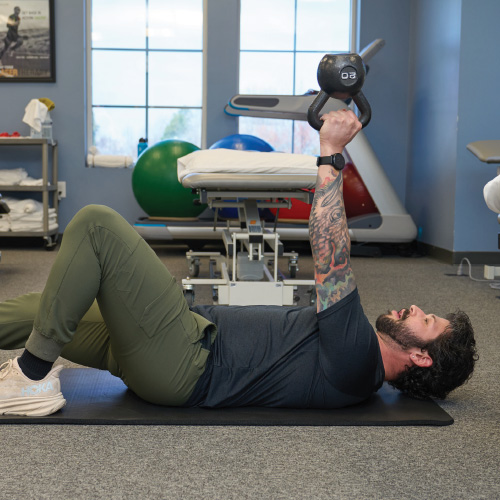
Got Arthritis? What To Expect If You Skip Regular Exercise
1. Your muscles will weaken: One of the big benefits of exercise is that it builds muscle mass. If you don’t exercise regularly, your muscle mass will decrease — especially if you’re older, as muscle mass naturally decreases as we age.
What does this mean if you have arthritis? Without strong muscles, your impacted joints don’t get the strength and stability they need to function, which puts even more stress on them — and means more pain in the long run.
2. Your joints will get stiffer: Our bodies are made to move, and when we don’t move them frequently enough, our joints don’t get the lubrication they need to run properly. This is as true for people with arthritis as it is for anyone else. Plus, since arthritis causes joint stiffness, not moving will only worsen your symptoms.
3. You increase your risk of injury: When you don’t exercise, you start to lose everyday abilities like balance, stability, and coordination. You can also develop muscular imbalances, improper biomechanics, or postural issues, all of which increase your odds of suffering an injury.
What Happens When You Do Exercise With Arthritis
1. You’ll experience less pain: While it’s true that activity can initially worsen arthritis pain, regular exercise will decrease your pain symptoms over time.
2. You’ll experience fewer mobility restrictions: Just as regular exercise can decrease pain, it will also help improve your range of motion — meaning you can move more easily.
3. The progression of your arthritis may slow: Both osteoarthritis and rheumatoid arthritis — the two most common forms of arthritis — will gradually worsen over time and may eventually require you to undergo surgery. Exercising won’t cure arthritis, but it will slow the damage to your joints.
4. You may feel more empowered: Living with a chronic condition is hard. Regular exercise can help you feel like you’re taking an active role in managing your condition and reducing your pain.
5. You’ll experience other physical and mental benefits: Exercise offers many benefits beyond pain management. It can improve mood and quality of sleep, protect you from heart disease and diabetes, and help you stay active and independent well into old age.
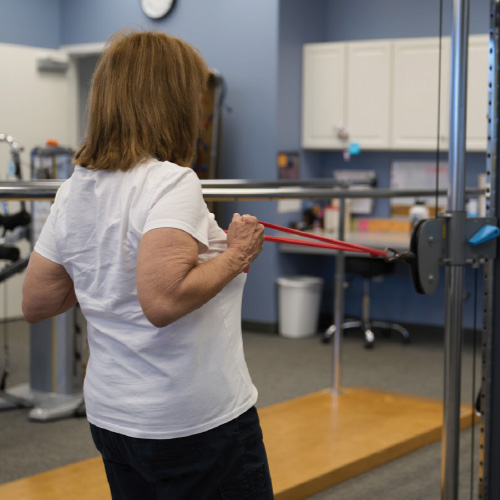
Ready To Start Exercising? Taylor Rehab Can Help!
While the benefits of regular exercise for arthritis are undeniable, getting started can be challenging. Which movements are safe for you to perform? Which will provide you with the most benefits? What should you do if even simple movement is too painful?
This is where our physical therapists shine! We’ll create a customized arthritis treatment plan that speaks to your needs and abilities. Here’s a taste of all that we can offer:
- Acute pain management using manual techniques and pain relieving modalities
- Personalized exercise programs with targeted, progressive exercises that build strength and improve mobility
- Specialized exercise programs to address balance and other functional challenges
- Guidance on general exercise programs to keep you moving outside our clinic
Don’t let arthritis keep you from living an active, healthy lifestyle. Call us today to find out more about our arthritis treatment programs!
Say Goodbye to Pain – Get Started with PT Now!
Return to Taylor Rehab and Let’s Continue Your Journey to Wellness Together. Schedule Your Appointment Now!

February Word Scramble
lotacehoc
eeanlnitv
bauefrry
iprdinehfs
iwentr
aceornm
Answer Key
chocolate
valentine
february
friendship
winter
romance
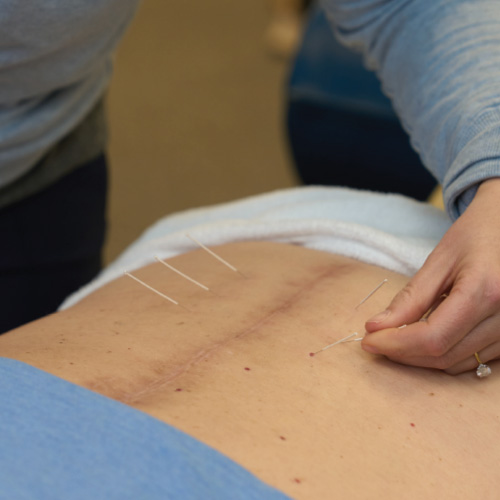
Service Spotlight: Dry Needling
Why Should I Choose Dry Needling?
There are a large variety of musculoskeletal issues that can be treated with dry needling. When paired with our traditional exercise-based physical therapy treatments and advanced manual therapy techniques, we have found that the vast majority of our patients achieved the pain-free goals they were aiming towards.
Will it Hurt Me?
Most of our patients report feeling little to no discomfort when undergoing these treatments. Our highly-trained physical therapists know how to make the process as painless as possible; however, some patients may still experience a “twitch response” with the insertion of the needle. This is comparable to a quick muscle cramp or ache. The 24-48 hours following a dry needling treatment may also result in muscle soreness, which should go away on its own. Sore muscles can be treated at home by applying ice and/or heat packs and drinking plenty of fluids.
So, How Does Dry Needling Work?
When performing dry needling, our physical therapist will insert a sterile needle through the skin, into the underlying tendons, ligaments, or muscles that have been affected, in order to relieve pain, decrease muscle tension, and improve mobility. While it is a common misconception, dry needling is not acupuncture. It is based on a modern scientific study of musculoskeletal and neuromuscular systems. While there are some similarities, it is strictly based on Western medicine principles and research. It provides an environment that enhances the body’s ability to heal, ultimately reducing pain in the process.
Thank You for Subscribing to Taylor Rehab
Exercise of the Month
BRIDGING
Begin on your back. Bend your knees and keep your back flat on the ground. Gently, contract your abdominals and hold to keep your back flat as you move up into the bridge position. Remember to breathe. Gently, squeeze your butt muscles and lift your hips off the ground. The goal is to have your hips aligned with your knees and shoulders. Hold for 5 seconds.
3 Sets, 10 Reps.
Taylor Rehab Reviews 🌟
“I had a great experience here! Joe and John were both amazing, super friendly, patient, and really supportive throughout my physical therapy. They made every session comfortable and motivating. Highly recommend!”
-LaNaria J.
Help us help more people in our community by leaving a Google Review

Follow Us on Social Media!

This Valentine’s White Chocolate Raspberry Smoothie is a sweet, creamy treat that blends rich white chocolate flavor with bright, tangy raspberries. It’s a fun and festive way to enjoy a better-for-you indulgence with someone you love — or to simply treat yourself!
Healthy Recipe
Valentine’s White Chocolate Raspberry Smoothie
- 1 tbsp white chocolate chips
- 1/2 cup nonfat vanilla Greek yogurt
- 3/4 cup frozen raspberries
- 1 cup almond milk/milk of choice
- 1/2 cup ice
- Fresh raspberries for garnish (optional)
In a small microwave safe bowl, heat white chocolate chips about 30 seconds and stir until smooth and melted through. Set aside to cool slightly. Add all ingredients, including melted chocolate, to a blender (or bullet, food processor, etc). Blend until smooth. Pour into glasses and top with fresh berries. Enjoy!