
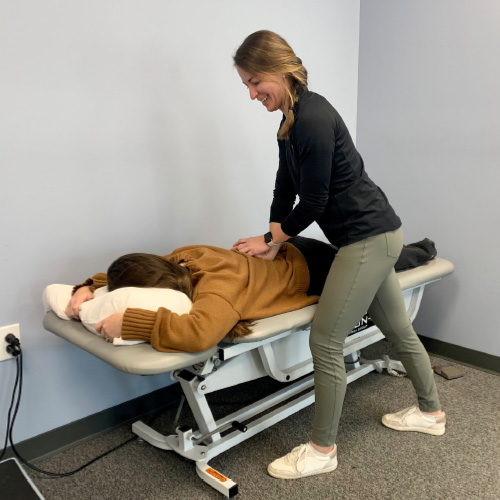
Back Pain vs. Sciatica: Exploring the Distinction
If you’re dealing with pain in your back and lower extremities, you may have been told you’re suffering from sciatica. But are you really?
People often conflate lower back pain and sciatica, and if you’re in intense pain, you probably don’t care much about what it’s called–you just want relief! But in reality, understanding the type of pain and why you’re experiencing it is crucial in finding a lasting, long-term solution.
Today, we want to share two Taylor Rehab patient stories with you. One patient (we’ll call him Frank) suffered from sciatica. Another patient (we’ll call her Laura) had back pain. By looking at these two stories, we hope you can better understand why distinguishing between back pain and sciatica is so important.
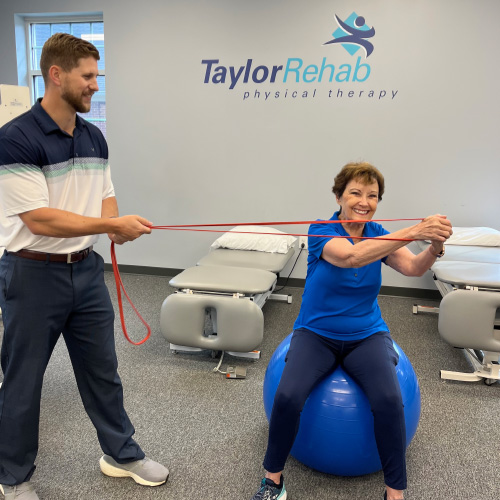
Frank’s Story: A True Case of Sciatica
Frank visited us because his pain was unbearable. He was experiencing it throughout the lower half of his body: in his lower back, through his buttocks, and all the way down to his foot. But it wasn’t just pain. Frank also experienced numbness and tingling throughout his leg, which only alarmed him further.
After learning Frank’s symptoms, we suspected sciatica–true sciatica. Why? A couple of reasons:
- The numbness and tingling indicated a nerve issue
- The symptoms follow along the path of the sciatic nerve, from which the condition takes its name
The next step was determining why. Sciatica isn’t a condition in and of itself but rather a sign that something is impacting the sciatic nerve. After a comprehensive evaluation, including several movement screens, we determined Frank’s sciatica stemmed from a herniated disc in his lower back.
Herniated discs occur when one of the intervertebral discs in the spine bulges or, in rare cases, ruptures. If it irritates the sciatic nerve (the root of which is located in the lower back), it will cause sciatica. In fact, most people with sciatica develop it due to a herniated disc.
Now that we knew the source of Frank’s pain, we were able to create a custom treatment program to strengthen his back and core, helping to relieve pressure on his sciatic nerve as his herniated disc healed.
Laura’s Story: No Sciatica Detected
Laura visited us after her doctor told her she had developed sciatica. She was dealing with intense lower back pain that severely restricted the mobility in her back, making it difficult for her to walk. Sometimes, the pain spread down into her buttocks, too, although it never made it to her legs.
For this reason, we knew it was unlikely Laura had sciatica. Because sciatica affects the sciatic nerve, it always causes radiating pain throughout the lower extremities. She also wasn’t experiencing any signs of a nerve disorder.
However, there was no doubt that Laura was in pain and needed relief! We conducted an in-depth assessment to find out what might be going on. When we took Laura’s health history, we learned that the pain started after she rearranged some heavy furniture in her house. Some additional movement screens confirmed what we suspected: Laura had strained her back muscles.
A strain occurs when the tissue fibers in your muscles or tendons tear. Sometimes, those tears are microscopic but painful nonetheless. Laura’s injury was not only painful but also impacted her movement and posture.
Fortunately, a mild to moderate muscle strain can usually resolve with physical therapy. We developed a customized treatment plan to help her manage pain and improve her range of motion. As she improved, we began incorporating strengthening exercises.
Personalized Treatment Plans, No Matter the Cause
Although Laura and Frank had two different injuries with different symptoms, their treatment plans looked fairly similar. That’s because physical activity is one of the best ways to resolve sciatica and lower back pain.
We put so much emphasis on identifying the source of your pain so we can develop the right treatment plan for your needs. We offer several techniques to help manage pain and rehabilitate a musculoskeletal injury, such as manual therapy, tailored exercises, and functional training.
At Taylor Rehab, we want to help you live a healthy, happy life–and that starts with resolving any pain and discomfort that might be holding you back. If you’re dealing with persistent pain in your back, your legs, or anywhere else, call us to schedule an assessment today. Our physical therapists are on the case!
Say Goodbye to Pain – Get Started with PT Now!
Return to Taylor Rehab and Let’s Continue Your Journey to Wellness Together. Schedule Your Appointment Now!

October Word Scramble
dancy
nlhealeow
mkpupin
rwcrcesao
ealevs
dierc
Answer Key
candy
halloween
pumpkin
scarecrow
leaves
cider
Upcoming Free Workshops
Free Shoulder/Rotator Cuff Pain Workshop
Wednesday, October 15th
5:30 pm
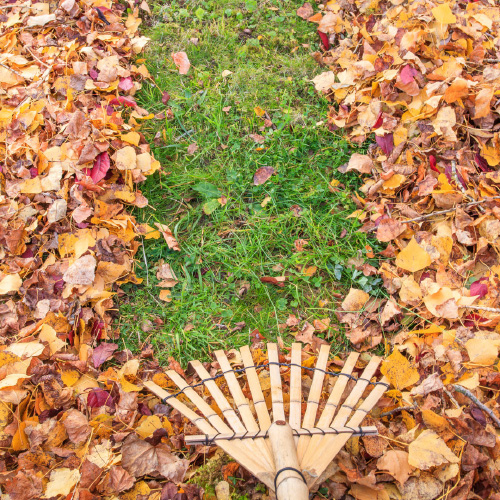
4 Simple Strategies for Stress-Free Leaf Cleanup
For many of us, autumn is one of the most beautiful times of the year. There’s nothing like the cool refreshing air and breathtaking fall foliage. However, with the changing of the seasons comes a chore that we all dread– raking leaves.
Thankfully, there are a few easy ways to make raking the leaves more enjoyable. If you need help with your follow through on this chore, keep reading!
1. If you can, rake downhill
Raking leaves is hard enough without having to go against gravity. Make this process a little easier on yourself by raking downhill.
2. Pull the leaves towards you as you rake
This technique helps keep stress off your back and prevents injury. For extra preventative measures, tighten your abdominal muscles as you move.
3. Divide your lawn into sections
If you’re dealing with a huge lawn, don’t overdo it by trying to tackle all the space in one day. Instead, divide your lawn into smaller, more manageable sections and spread the work out over a couple days.
4. Wear the proper clothes
To prevent blisters or bug bites, it’s important to wear long sleeves and long pants while raking. It’s also a good idea to invest in a pair of strong gloves to protect your hands while you work.
Thank You for Subscribing to Taylor Rehab
Don’t Let Your Benefits Go to Waste Use Your Deductible Before the Year Ends!
Did you know your physical therapy sessions could be free or reduced if your insurance deductible has already been met? Now’s the perfect time to schedule those sessions you’ve been putting off!
Whether it’s addressing lingering pain, improving mobility, or just staying on top of your health, Taylor Rehab is here to help you finish the year strong –and save money while doing it.
Call us today to check your benefits and book your appointment before the year ends!

Taylor Rehab Reviews 🌟
“The PT at Taylor Rehab has been great. I came in with pain and little mobility. I am leaving with no pain and 100% mobility. Everyone here has been wonderful to work with, especially John! Thank you so much! ”
-Lynn N.
Help us help more people in our community by leaving a Google Review
Follow Us on Social Media!
Healthy Recipe: Roasted Brussels Sprouts with Pomegranate

- 1 1/4 pounds Brussels sprouts, trimmed and halved
- 2 tablespoons canola oil
- Kosher salt and freshly ground pepper
- 3 tablespoons pomegranate molasses
- Seeds from 1 pomegranate
- 1/2 cup coarsely chopped toasted hazelnuts
- Finely grated zest of 1 lime
- 1 tablespoon finely grated orange zest
Directions: Preheat the oven to 375 degrees F. Put the Brussels sprouts in a medium roasting pan; toss with the canola oil and season with salt and pepper. Roast in the oven until light golden brown and a knife inserted into the centers goes in without any resistance, about 45 minutes. Transfer the sprouts to a large bowl and add the pomegranate molasses, pomegranate seeds, hazelnuts, and lime and orange zests. Season with salt as needed.